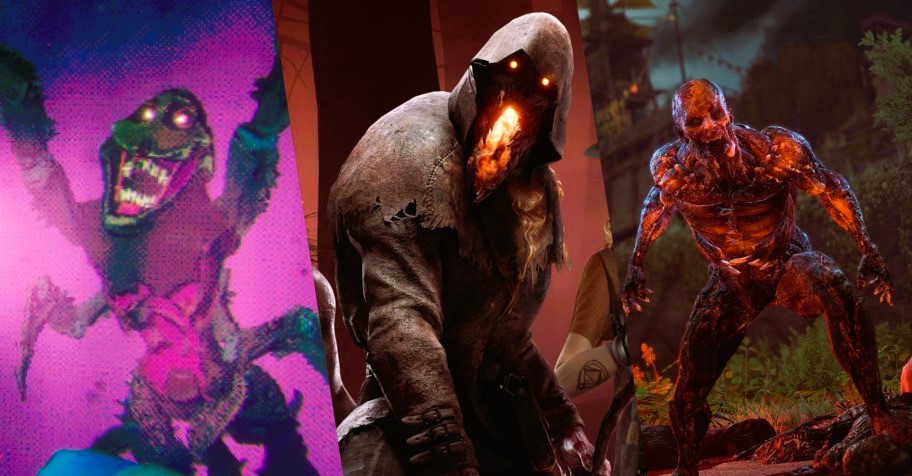
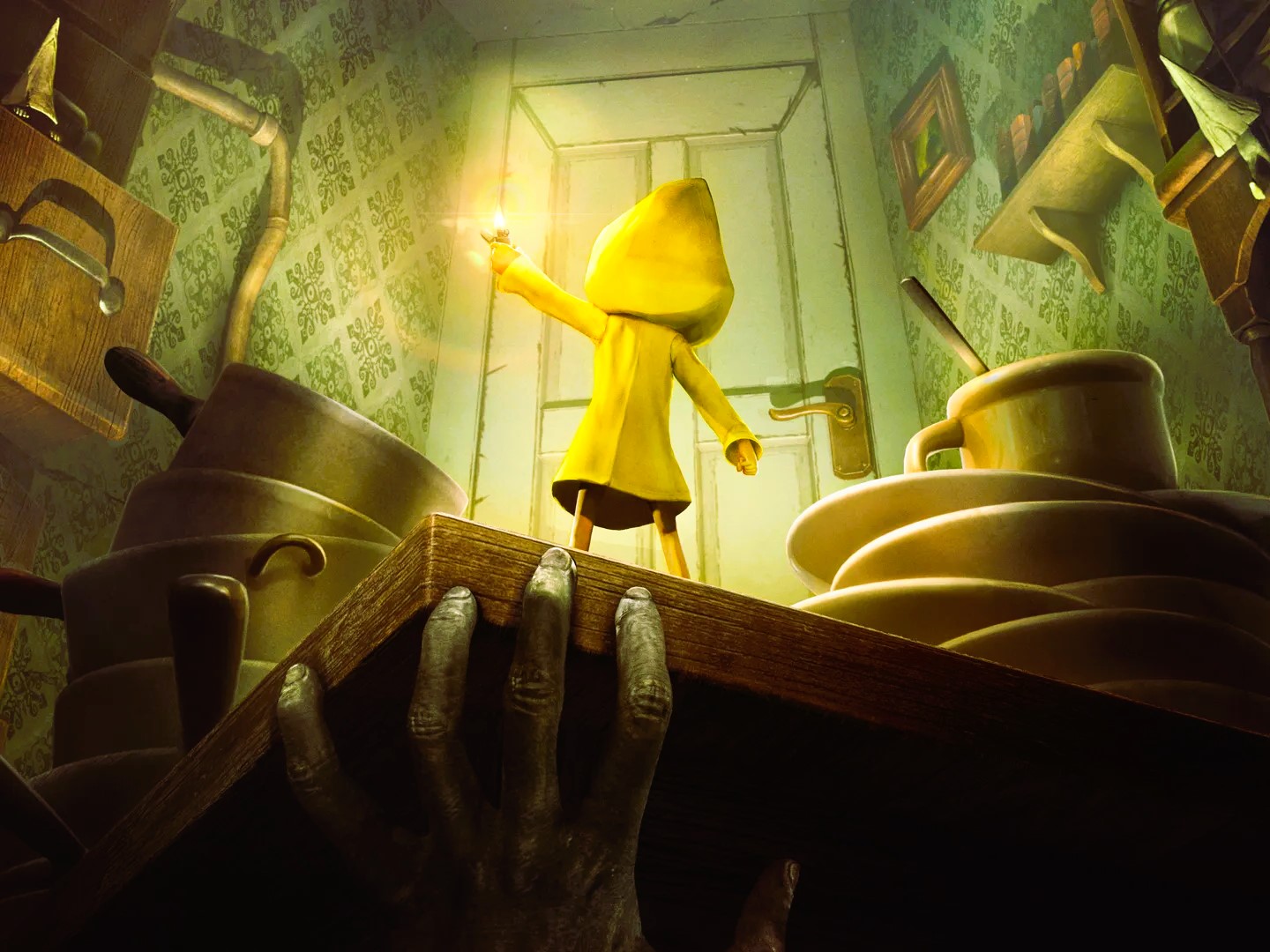
Horror games have long been a staple of the gaming industry, captivating players with their ability to evoke intense fear, suspense, and dread. But what makes these games so effective in eliciting such powerful emotions? The answer lies in fear psychology—a complex interplay of psychological triggers, environmental storytelling, and game mechanics that manipulate the player’s mind. In this article, we will explore the key psychological principles that developers use to create truly terrifying horror experiences.
The Role of Uncertainty and the Unknown
One of the most effective fear-inducing techniques in horror games is uncertainty. Psychological studies have shown that humans fear the unknown more than the known. When players are left in a state of ambiguity—unsure of what lurks in the shadows or when the next scare will happen—they experience heightened levels of anxiety.
Games like Silent Hill and Amnesia: The Dark Descent masterfully utilize this by keeping players in environments filled with fog, darkness, or strange noises, ensuring that their imagination fills in the terrifying gaps. This technique, known as suggestive horror, relies on the player’s own mind to create fear rather than relying solely on visual horror elements.
Sound Design: The Unseen Horror
Audio plays a crucial role in shaping fear. Horror game developers use unsettling ambient sounds, distant footsteps, eerie whispers, and sudden, jarring noises to create tension. According to psychological research, certain sound frequencies—especially infrasound (below 20 Hz)—can induce feelings of unease, dizziness, or even panic.
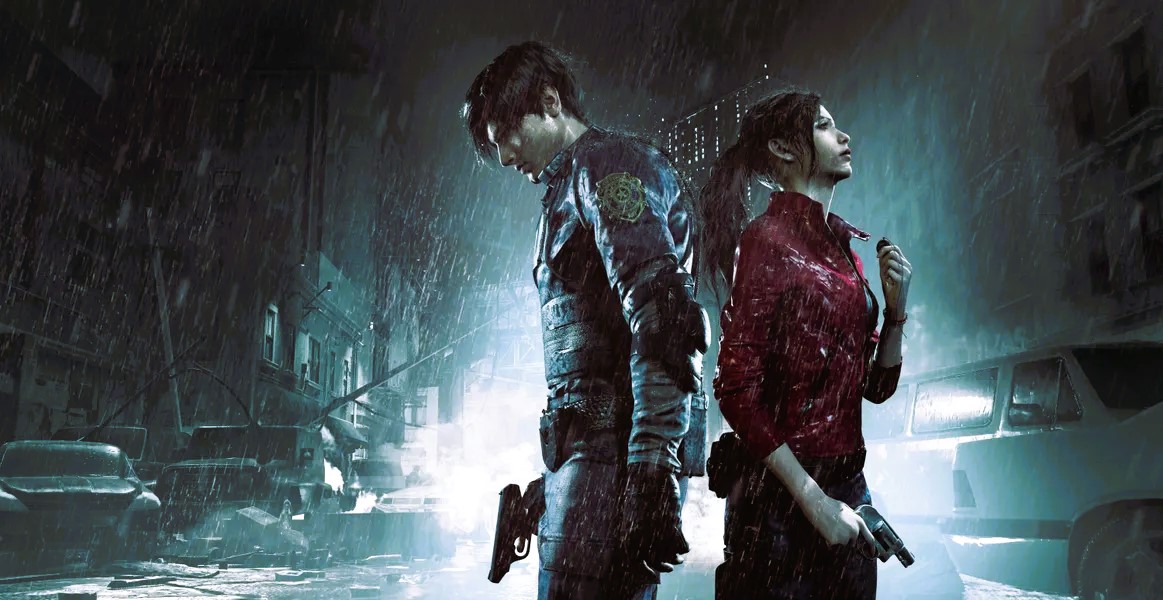
For example, Dead Space employs dynamic soundscapes that shift based on the player’s movements, making them feel as though something is always watching. Similarly, Resident Evil series uses subtle audio cues, such as creaking floors and distant screams, to enhance the feeling of impending danger.
The Psychology of Powerlessness
Horror games often strip players of power to heighten their fear. Unlike action games where players can fight back, horror titles frequently leave them defenseless. This helplessness is a direct psychological trigger, exploiting the fear response associated with lack of control. Games with the most terrible enemies and monsters, read more here.
For instance, Outlast forces players to rely on a night vision camera to see in the dark, creating a limited field of vision and increasing vulnerability. Similarly, Alien: Isolation implements an AI-driven enemy that adapts to player behavior, ensuring that players never feel safe.
Jump Scares and Anticipation
Jump scares are one of the most common fear tactics in horror games, relying on sudden stimuli to provoke an immediate startle response. However, their true power lies in the buildup rather than the scare itself. Developers use pacing and timing to create moments of tension, keeping players on edge and prolonging the fear response.
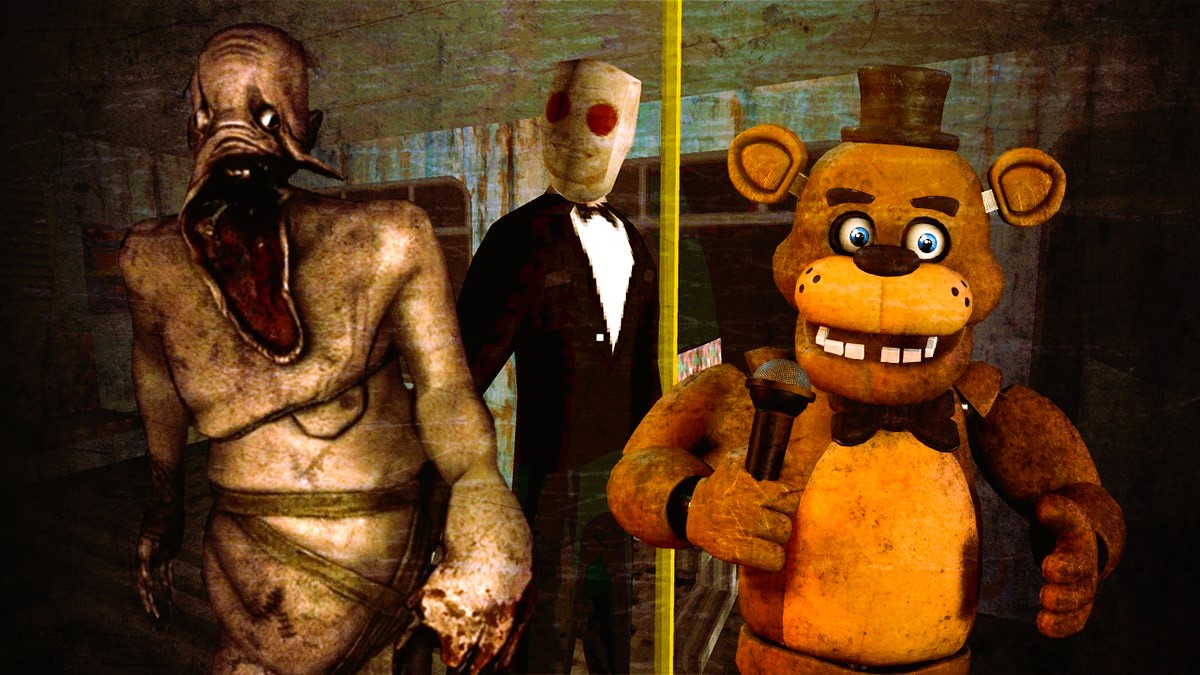
Games like Five Nights at Freddy’s excel in this by forcing players to constantly monitor their surroundings, making them anticipate scares without knowing exactly when they will happen. The longer the anticipation, the stronger the eventual fear reaction.
Fear of Isolation and Claustrophobia
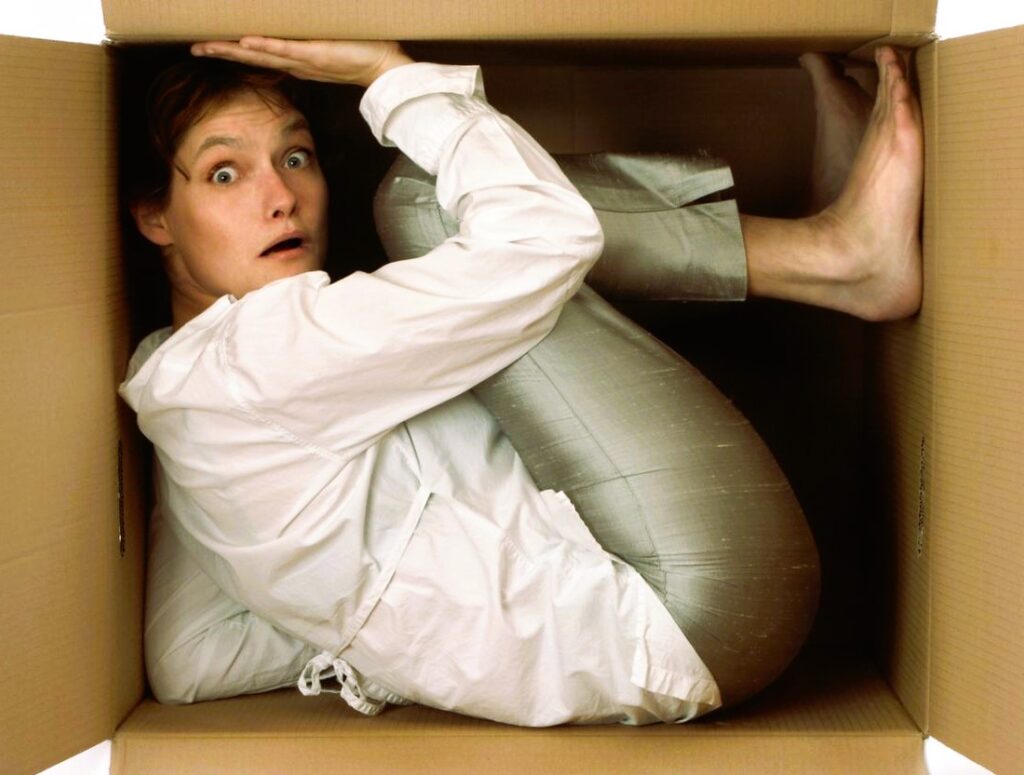
Isolation is a recurring theme in horror games, as it intensifies feelings of helplessness. Many horror titles place players in abandoned buildings, desolate forests, or deep underground facilities, reinforcing the notion that no help is coming.
Games such as SOMA and The Evil Within use spatial design to evoke claustrophobia, trapping players in narrow hallways or tight corridors where escape is nearly impossible. The fear of being confined with an unknown threat enhances the overall sense of dread.
The Psychological Impact of Storytelling
Narrative plays a significant role in horror, especially when it taps into deep-seated fears like loss, insanity, or existential dread. Games with psychological horror elements, such as Layers of Fear and Fatal Frame, blend supernatural horror with psychological trauma, making the terror feel personal and deeply unsettling.
According to studies on horror enjoyment, players often experience a cathartic release after surviving terrifying encounters. This explains why horror games remain popular despite their fear-inducing nature.
Horror games are masterfully crafted experiences that use fear psychology to manipulate emotions, creating an immersive and terrifying atmosphere. By leveraging uncertainty, sound design, powerlessness, isolation, and psychological storytelling, developers craft games that keep players engaged while simultaneously terrifying them. The next time you find yourself gripping your controller in fear, remember—it’s all in your mind.
For more insights into horror game design and psychology, visit Fandom’s Horror Games Wiki.